
How advanced SiO₂ material functionalisation opens up new possibilities for the paper industry
Paper is one of the oldest materials used in industry. Yet advances in materials science continue to create new ways to modify its properties selectively.
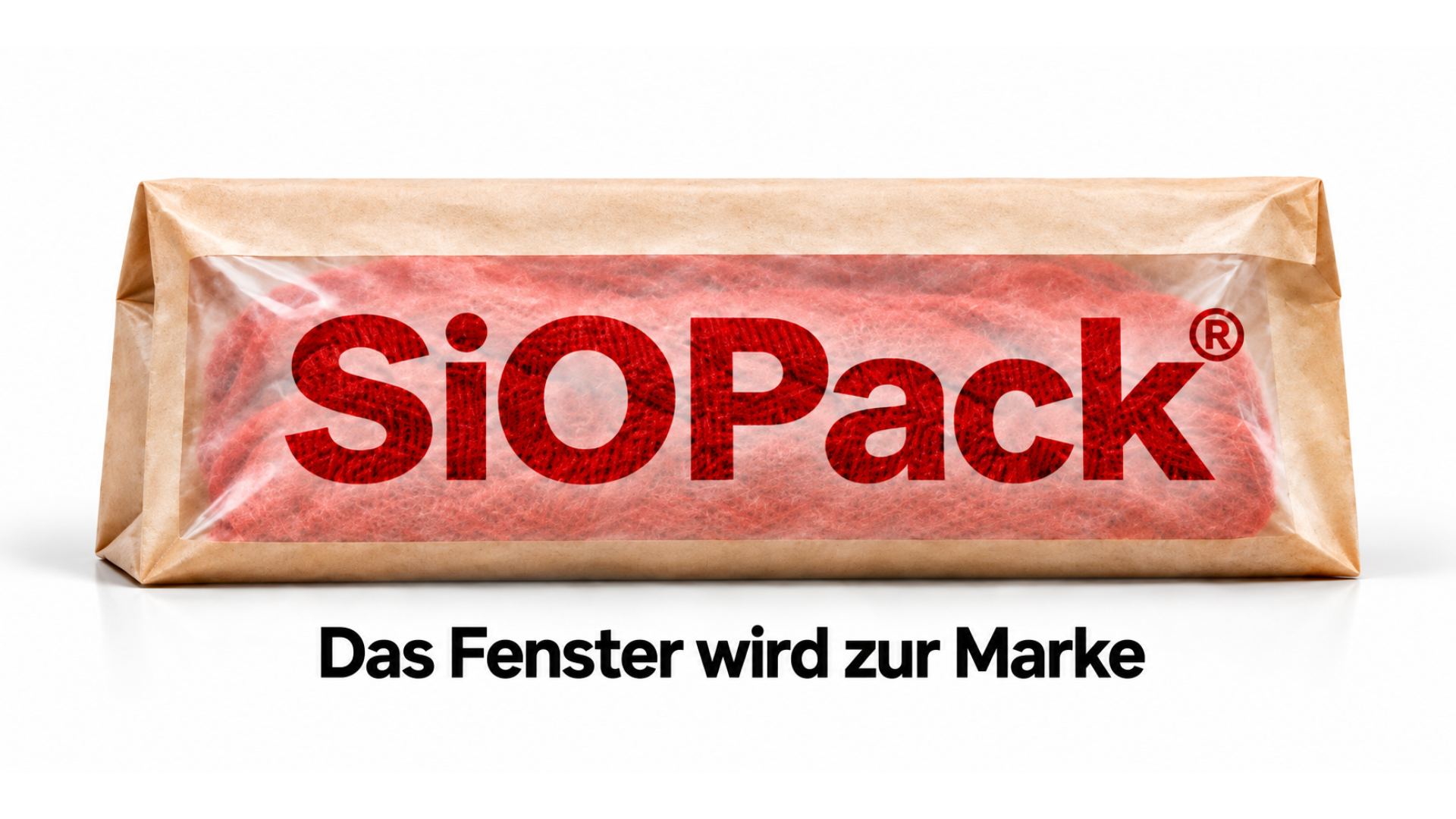
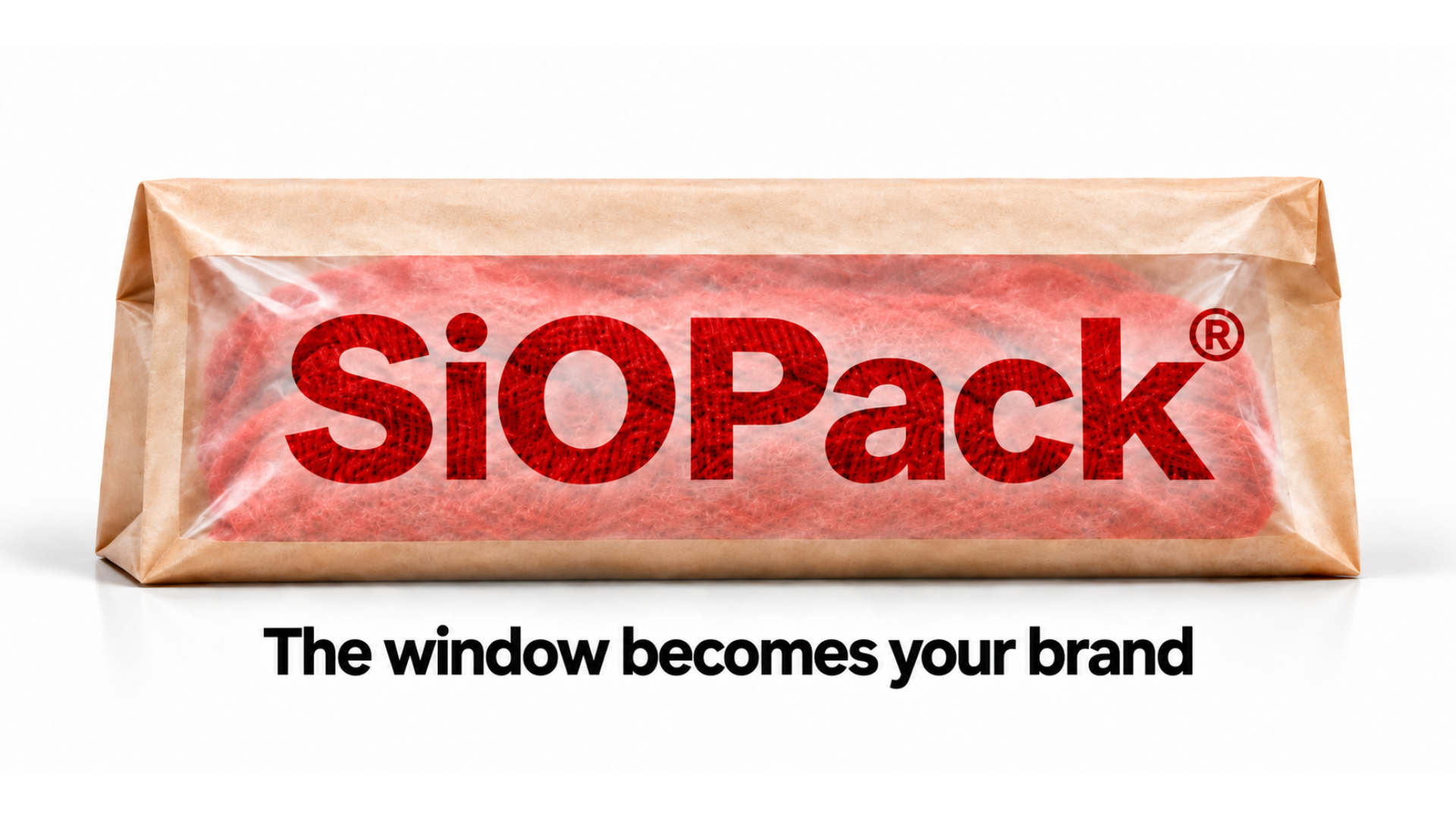
One example is SiOPack® technology for creating localised transparency.
Transparency is created within the paper
Transparent and translucent paper solutions are already well established. These include glassine paper, which gains its translucent properties through intensive mechanical compaction during supercalendering. Conventional window packaging, meanwhile, often combines paper with a transparent plastic film.
SiOPack® offers another approach: inorganic, SiO₂-based functionalisation within the fibre matrix can make selected areas of an initially opaque paper transparent.
While glassine is manufactured as a translucent paper, SiOPack® enables transparency to be created selectively in defined areas of packaging paper.
The small amount of material required is particularly noteworthy: A dry solids application of approximately 0.6 g/m² enables targeted transparency, while the essential properties of the base paper can remain largely intact.
Waxes, drying or semi-drying oils, and plastic laminates are not required to create this transparency.
From material principle to industrial application
The technology has already been demonstrated beyond the laboratory in an industrial flexographic printing trial. An independently tested sample achieved 93% transparency according to DIN 53147.
This opens up new possibilities for the packaging industry: brand owners can specify which areas of their packaging paper should become transparent. Suitably equipped converters can implement these designs on an industrial scale.
What this means for the paper industry
The core innovation lies not only in the high transparency achieved, but also in the ability to create a desired optical function selectively within the paper using very little additional material.
Alongside established solutions such as glassine paper and film-window packaging, SiOPack® therefore offers another design option: localised transparency through functionalisation of the paper’s fibre matrix.
SiOPack® demonstrates how advanced material functionalisation can extend the capabilities of existing paper products.
A familiar material opens the door to new functional packaging solutions – with transparency only where it is needed.